Reviewing the Clovers Two Pack for Craft Fair Booth Success
As an embroidery designer preparing for a weekend market, every design file I choose is a strategic decision. It’s not just about what looks pretty on screen; it’s about what will translate into a sellable, eye-catching handmade product on a crowded table. Today, I’m evaluating the Clovers Two Pack, an embroidery file categorized under Intricate Cuts, with that exact real-world lens.
First Impression: Elegant Simplicity with Versatile Appeal
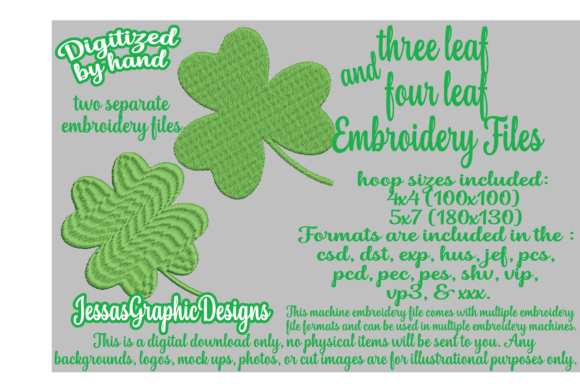
The name Clovers Two Pack immediately suggests a nature-inspired, potentially lucky motif. The description promises elegance and ease of stitching, which is a compelling combination for a busy maker. The initial mood feels soft, decorative, and timeless—not overly rustic or farmhouse, but leaning into a clean, premium aesthetic. This is a design that won’t shout but will subtly attract attention through its graceful lines. For my booth, I need designs that feel giftable and brand-consistent, and this seems to fit a niche of understated charm.
Spotting the Best Products for Maximum Impact
My table display will feature tote bags, aprons, tea towels, caps, small pouches, and pillow covers. Where will the Clovers Two Pack shine?
On tote bags and market bags, this design could act as a beautiful focal point, especially placed centrally or on a pocket. Its elegant nature elevates a simple bag into a special accessory. For aprons and kitchen towels, a clover motif feels naturally appropriate, adding a touch of handmade quality to functional items. I’d likely position it as a corner accent on a tea towel to keep it decorative without overwhelming the fabric’s purpose.
Embroidered patches made with this design could be incredibly versatile. Customers love patches they can apply themselves, and a clover design has broad appeal. On caps, I’d be cautious about the curved surface and potentially smaller application size; I’d need to test the stitch clarity at a reduced scale. For small fabric pouches and pillow covers, this design becomes a perfect premium detail, suggesting care and craftsmanship. As a small shop product, it lends itself to a cohesive collection—I could envision a line of “botanical elegance” items featuring this file.
The Practical Production Checklist for Sellers
Turning a digital embroidery file into a batch of craft fair products requires a methodical approach. Here’s my review of the production points for the Clovers Two Pack.
Design Readiness and Batch Production
The description says it’s “easy to stitch,” which is vital for efficiency. For batch production, I need a design that is straightforward to hoop, stitch, and finish without constant troubleshooting. The “Intricate Cuts” categorization hints at possible fine details or open areas, so my first step is always a test on scrap fabric. I’ll check the stitch density on different materials—is it too dense for a lightweight tea towel or too sparse for a sturdy tote bag? I’ll also review thread color contrast, especially if stitching on dark fabric, to ensure the elegant lines remain visible.
This design feels like it could work as both a small accent and a larger focal piece, depending on the hoop size I choose. That flexibility is a win. For online sales, like Etsy listings, its clean lines should photograph well, creating clear printable mockups and appealing photos of the finished product. A design that looks good in photos is half the battle for digital sellers.
Critical Use Notes for Quality Results
Any design with potential intricate elements demands careful setup. On textured towels or thick fabric like some tote bag materials, I must use the correct stabilizer to prevent puckering and maintain design integrity. If the design contains very tiny details or small lettering (not mentioned in the description, but always a consideration), applying it at a very small size on a cap or as a tiny embroidered patch might cause those details to lose clarity or become too dense. My advice is to always create at least one real mockup on the intended product before committing to a full production run.
Finally, before selling any commercial embroidery products at my booth, I must confirm commercial licensing for this digital embroidery file. The provided description doesn’t specify license terms, so this is a non-negotiable step I must complete independently.
Why This Design Could Captivate Customers
From a sales perspective, the Clovers Two Pack affects several key areas. Its visual appeal is gentle and inviting, which can draw customers in for a closer look. In a booth full of bold statements, this design offers a moment of calm, premium detail. It can increase the perceived product value of a simple item—an embroidered clover on a linen pouch makes it feel more handmade and thoughtful.
For buyer engagement, a nature motif like clovers often sparks positive associations and stories. It’s easy to understand at a glance, which is crucial at a busy craft fair. Its versatility also strengthens my booth display; I can show it across multiple product types, demonstrating its range and encouraging customers to imagine it on their favorite item.
In summary, the Clovers Two Pack presents a promising opportunity for craft fair sellers and creative entrepreneurs. Its elegant mood, combined with its described ease of use, makes it a candidate for a successful line of handmade products. My final task, as with any machine embroidery design, is to move from review to real-world testing: hooping my scrap fabric, comparing thread colors, and stitching it out to see if its promise of elegance truly translates into a product I’m proud to display and sell.