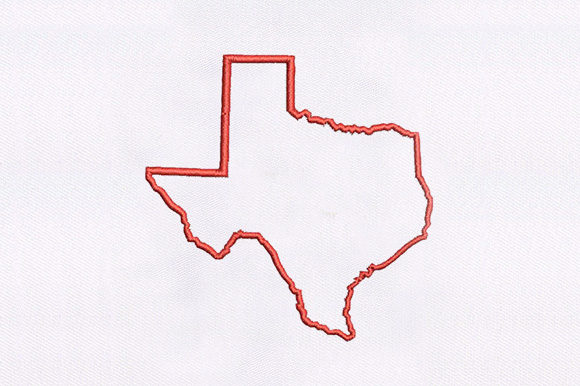
A Bold Red Border Map Embroidery Design for Craft Fair Success
As an embroidery designer preparing for a weekend craft fair, my first task is to review designs not just for their aesthetic, but for their real-world selling power. When I look at the Red Border Line Map Design, my immediate impression is that it feels bold, modern, and decorative. The name suggests a clear, graphic style with a strong red outline—a combination that tends to stand out on a crowded booth table. This isn't a soft, rustic farmhouse piece; it’s a crisp, eye-catching graphic that can convey a sense of travel, home, or personal geography. For sellers targeting customers who appreciate clean lines and a pop of color, this design has a lot of potential.
Where This Design Shines on Your Booth Table
Imagine your display: tote bags hanging on a rack, aprons folded neatly, tea towels stacked, patches pinned to a board, caps on a shelf, and small pouches or pillow covers arranged invitingly. The Red Border Line Map Design is a focal-point design. It commands attention. On a solid-color canvas tote bag or a crisp linen apron, that red border line will look striking and professional. It doesn’t blend in; it defines the product. For customers walking past, a bold map on a market bag or pillow cover is easily understood at a glance—it’s a map, it’s travel-themed, it’s decorative. This instant recognition is crucial for quick craft fair engagement.
Product-Specific Performance & Recommendations
Let’s break down where I’d prioritize using this machine embroidery design for my handmade products.
- Tote Bags & Market Bags: This is a top contender. The design scale likely works well as a large, central motif. The bold lines will photograph excellently for online listings, making the bag look premium and well-crafted. Batch producing a few bags with this design creates a cohesive, strong look for your brand.
- Aprons & Kitchen Towels: On an apron bib or the corner of a tea towel, this becomes a stylish, functional decoration. However, be mindful of fabric texture. On a textured towel, the fine lines of the map’s interior might lose some clarity; the bold red border will still hold up, but test first.
- Caps: Embroidering on curved cap surfaces is tricky. Designs with dense stitch areas can pucker. The “line” nature of this design might work if the stitches are not too dense, but this is a must-test scenario. It could be a fantastic seller if executed cleanly.
- Patches & Small Pouches: As a smaller accent, the design’s complexity might become a challenge. Tiny details and small lettering (if present within the map) could get lost when scaled down for a patch. The red border would remain, but the overall impact might diminish. Consider using it as a larger feature on a pouch front instead.
- Pillow Covers & Giftable Items: Here, it excels. A pillow with this design feels modern and decorative, increasing the perceived value. It’s a perfect finished product for a boutique maker aiming for a higher price point.
Practical Production Points for the Embroidery Business Owner
Turning a digital embroidery file into a sellable product requires practical judgment. The provided list of file formats is extensive, ensuring compatibility with most machines, which is excellent for commercial embroidery. However, before running any hoop, I must check the specific file for details not provided in the description.
- Stitch Density & Tiny Details: Maps can have intricate interior lines. I need to stitch this out on scrap fabric first to see if dense areas are present. High density on thick fabrics like canvas or on textured towels can lead to stiffness or distortion.
- Thread Contrast & Fabric Colors: That red border needs to pop. Testing on various background colors is essential—navy, black, cream, natural linen. On dark fabric, the border must be bright enough. I’d also review the thread colors needed for the interior elements to ensure good contrast overall.
- Hoop Size & Scaling: The ideal hoop size will determine my product options. Can this design fit in a 5x7 hoop for a pouch, or does it require a larger 8x10 for a tote? I won’t know until I open the file. This directly impacts batch production planning.
- Stabilizer Selection: For the clean lines this design promises, using the right stabilizer is non-negotiable. A crisp tear-away or cut-away for tote bags, perhaps a softer option for towels, will preserve that sharp look.
The Non-Negotiable Step: Creating a Real Mockup
Never rely solely on a printable mockup for your Etsy listing or booth sample. Stitching one complete, real product is critical. How does the Red Border Line Map Design look on the actual fabric? Does it feel premium? Are the lines crisp? This mockup becomes your best sales tool at the fair—customers touch and see the real handmade quality. It also confirms if the design is repeatable for batch production without constant tweaks.
Selling Power & Booth Display Strategy
This design affects several key sales factors.
- Customer Attention: Its graphic boldness grabs eyes from a distance. In a booth, grouping several products with this design together creates a strong thematic display—an “Around The World” section that tells a story.
- Product Value & Brand Consistency: A well-executed, clean map embroidery looks professional. It supports a higher price point than a simpler motif. Using it across a few core products (tote, pillow, apron) reinforces your brand’s style for creative entrepreneurs.
- Buyer Engagement: Maps are personal. Customers might buy it because it reminds them of a hometown, a favorite place, or a dream destination. That emotional hook is a powerful sales driver at a craft fair.
Careful-Use Notes for Optimal Results
To ensure every finished product looks its best, heed these notes from the production floor.
- Always test the design on scrap fabric identical to your final product fabric first.
- Check for any tiny lettering or details that may blur or fill in at your chosen size.
- On curved surfaces like caps, be extra cautious with stabilizer and hoop technique.
- For online sales, photograph the embroidered item in good light. The red border should look vibrant and the lines sharp—this translates to handmade product quality in photos.
- Finally, confirm commercial licensing before selling finished products. The file formats are for machine use, but the license terms are separate. Ensure your use at a craft fair or on Etsy is covered.
In conclusion, the Red Border Line Map Design is a strong, marketable asset for an embroidery business. Its bold, modern character makes it a standout candidate for focal-point products like tote bags and pillow covers, where it can drive customer attention and justify a premium price. Its success, however, hinges entirely on practical embroidery diligence: testing stitch density, choosing the right fabric and stabilizer, and creating a flawless real-world sample. With that care, this design can become a reliable, attractive product line for your craft fair booth, your small shop, or your online store, beautifully blending the worlds of travel and handmade craft.