Reviewing Z Font Antique for Craft Fair Products
As an embroidery designer preparing for a weekend market, every design in my library gets a practical review. It’s not just about aesthetics; it’s about what will sell, look exceptional in person, and be efficient to produce in batches. Today, I’m looking closely at Z Font Antique, a machine embroidery design described as perfect for creating beautiful personalized designs. Let’s judge its real-world potential for a booth filled with handmade goods.
The First Impression: Elegant and Premium
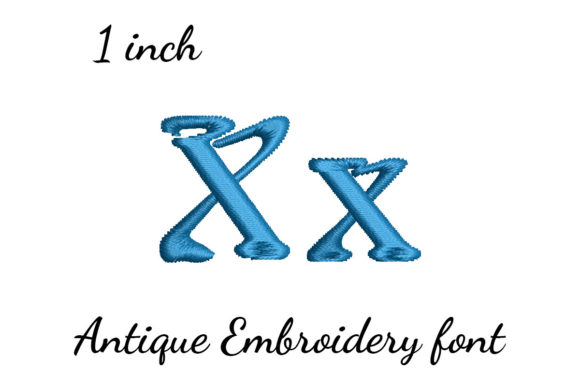
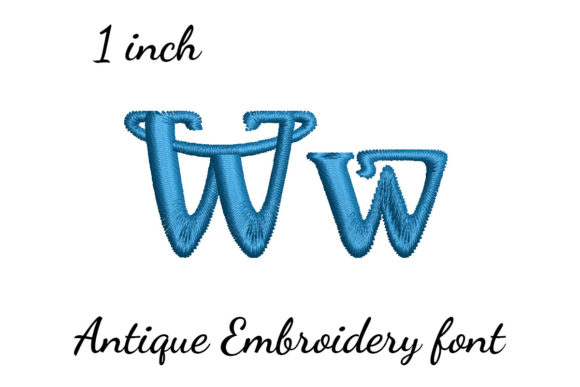
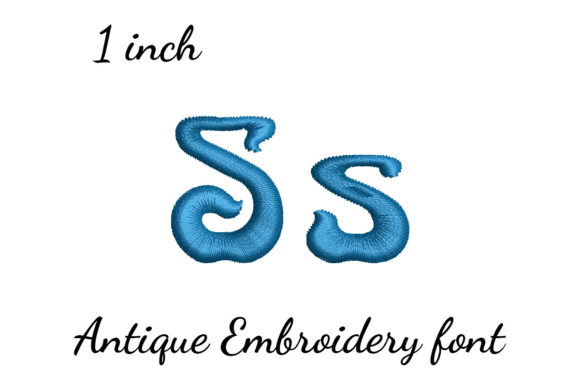
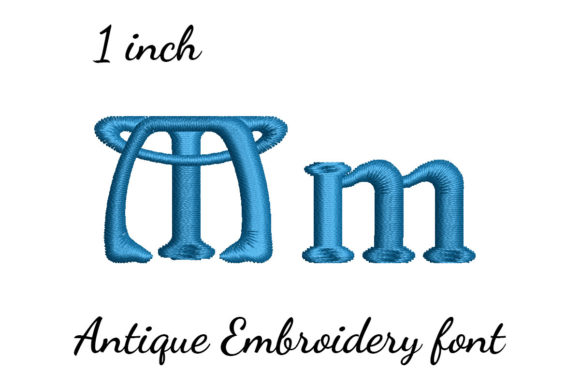
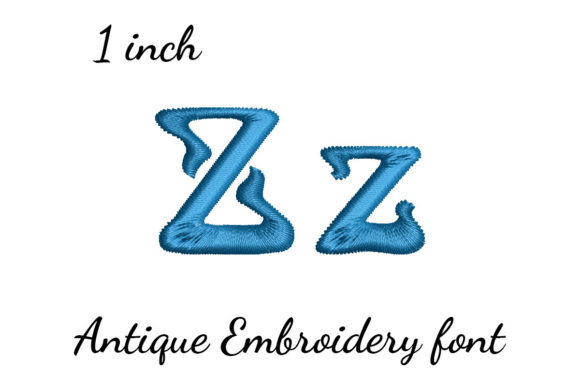
The name Z Font Antique itself sets a tone. It feels elegant, slightly vintage, and premium. This isn’t a cute, whimsical font or a bold, modern block letter. It has a decorative, possibly slightly ornate character that suggests tradition and craftsmanship. For craft fair customers browsing tables, this initial vibe is crucial. It will attract buyers looking for something special, a gift with a sense of heritage or personalization, rather than something purely functional or humorous. Given its listed category as Wedding Monogram, this elegance makes perfect sense, but its application needn't be limited to that niche.
Where Z Font Antique Stands Out on the Booth
My table display strategy revolves around visual hierarchy. Some products are focal points, others are charming accents. Z Font Antique has the weight to be a focal point on certain items.
Prime Products for Maximum Impact
Pillow covers and tea towels are classic canvases for decorative lettering. The antique style would look stunning on a crisp linen pillow cover or a high-quality cotton kitchen towel, especially as a single, prominent letter. The design would convey a handmade, bespoke quality that elevates the product’s perceived value.
Tote bags and market bags offer a larger scale. A well-placed Z Font Antique on a canvas tote bag could become the bag’s entire personality—sophisticated and personal. It works as a standalone design, not needing additional elements.
Embroidered patches are a versatile product, but here, careful consideration is needed. The “antique” detail must be evaluated. If the design has very fine lines or intricate details, reducing it to a small patch size might lose clarity. It could be perfect for a larger, statement patch on a jacket or bag.
Considerations for Other Items
On caps, the curved surface and typically smaller front panel demand a design that remains clear at a reduced size. Z Font Antique might need to be simplified or used on a flat-cap style for best results.
For small pouches and aprons, it could serve as a beautiful monogram accent near a pocket or strap. As an accent, it adds a touch of personalized luxury without overwhelming the item’s functionality.
Practical Production & Selling Points
Turning a digital embroidery file into a stack of sellable products requires a pragmatic eye.
Batch Production and Efficiency
The design’s repeatability is key. For a font letter, if it’s clean and not overly dense, it can be excellent for batch production. I can embroider a series of tea towels or tote bags with different letters using the same font style, creating a cohesive product line for my booth. The note that it comes with multiple embroidery file formats is a significant practical advantage, ensuring compatibility with different machines, which streamlines production.
Photography and Online Sales
For my Etsy listings and printable mockups, how a design photographs is vital. An elegant antique font should photograph beautifully, highlighting the texture of the stitches. It will look professional and high-value in product photos, especially on neutral or natural fabric backgrounds. This visual appeal directly drives online buyer engagement.
Customer Attention at the Fair
In person, texture sells. On a textured towel or the woven fabric of a tote bag, the raised stitches of Z Font Antique will catch the light and invite touch. Customers notice craftsmanship through texture. A well-embroidered antique letter on a pillow cover stops browsers because it looks both handmade and refined, answering the dual desire for authenticity and quality.
Critical Designer Notes for Success
Before committing this design to any product, a series of real-world tests are non-negotiable.
- Test on Scrap Fabric First: Always embroider Z Font Antique on a scrap of the actual fabric you plan to use—be it canvas for bags, linen for towels, or twill for caps. Fabric texture dramatically affects the final look.
- Check Thread Contrast and Stitch Density: Evaluate it on both light and dark fabrics. An antique design with fine details may need a sharp thread contrast to remain clear, especially on dark fabrics. Also, inspect the stitch density in the file; overly dense areas can be challenging on thick fabrics like tote bag canvas and may require careful stabilizer choice.
- Review Size and Clarity: Hoop it at the intended size for your product. Does it retain its elegant character when small on a cap? Do tiny details become lost or create stitching issues? Confirm the minimum hoop size that produces a clean result.
- Create a Real Physical Mockup: Before batch production, make one finished sample product. See how it looks as a complete item. This mockup will also be your best booth sample, engaging customers with a tangible, high-quality example.
- Confirm Commercial Licensing: The description states it can be used for creating personalized designs, but I must verify the specific license terms for selling the finished commercial embroidery products I make. Never assume.
Final Judgment for the Craft Fair Booth
Z Font Antique holds strong potential for my handmade market products. Its elegant, premium feel aligns with products that command higher value—personalized pillow covers, luxury tea towels, and statement tote bags. It can strengthen my booth’s brand consistency if I offer a monogram or personalized line. However, its success hinges entirely on practical execution. It must stitch cleanly on the target fabrics, at the target sizes, with the right stabilizer support. If the antique details are too fine for smaller applications, I’ll focus it on larger-scale items where its beauty can shine without compromise. For the craft fair seller, it’s a design that, with careful testing and positioning, can become a standout, engaging piece that customers appreciate not just for its function, but for its crafted elegance.