A Friendly Animal Design for Everyday Embroidery Projects
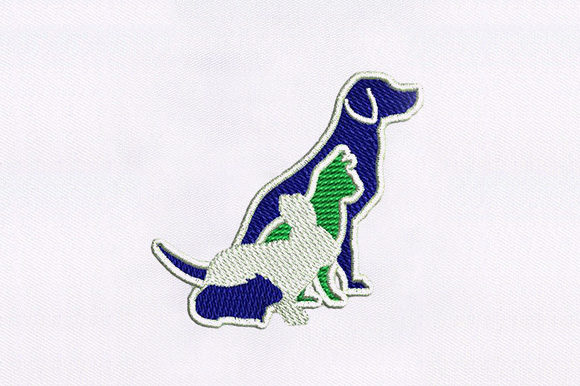
When you see an embroidery design titled ‘Friendly Animals,’ you get a certain expectation. It’s going to be warm, approachable, and likely versatile. This design—a lineup of silhouettes for a dog, cat, rabbit, and hamsters—meets that expectation immediately. It’s a straightforward concept with a lot of potential for anyone looking to add a touch of gentle, universal charm to a project.
The First Impression: Quiet, Universal Charm
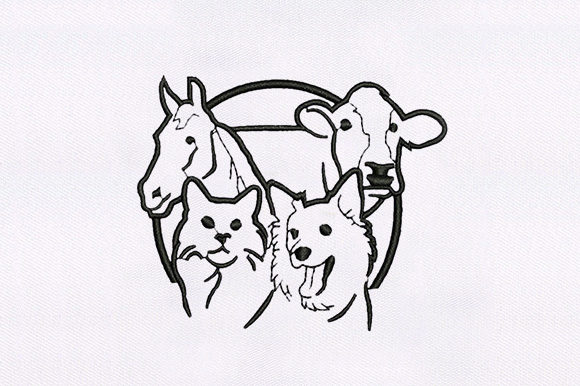
The layout is simple and effective: four familiar animal silhouettes standing side-by-side. There’s a quiet harmony to it. No frenetic detail, no overly stylized shapes—just clean, recognizable outlines. This creates a mood that’s inherently friendly and calm. It feels nostalgic and sweet without being childish. For an embroidery designer, this is a signal. The design isn’t shouting for attention; it’s offering a reliable, pleasant visual that can adapt to many contexts.
The level of detail is a key practical point. As silhouettes, the design relies on outlines and presumably a clean satin or running stitch to define each animal. This means stitch density should be manageable, and the design is unlikely to become a time-consuming, thread-heavy project. Visually, it has a personality that’s more about composition than complexity. It belongs naturally to projects where the theme is a subtle accent rather than a central dramatic statement.
Where This Design Finds Its Home
Imagine you’re preparing a custom order for a client who wants a personalized baby blanket or a set of nursery pillow covers. They love animals but want something that isn’t too bold or cartoonish. ‘Friendly Animals’ fits perfectly. The lineup feels like a little parade, gentle and comforting. It would stitch out cleanly on softer fabrics like cotton or flannel without requiring excessive stabilizer or risking puckering from dense fills.
For a craft business, this embroidery design is a versatile asset. Consider a simple tote bag design. A tote bag often needs a graphic that is legible, not too heavy, and has broad appeal. This silhouette parade sits nicely in that medium-sized space on the bag front. It feels handmade but professional. For an Etsy seller creating embroidered tea towels or apron sets, it adds a touch of thematic decoration without overwhelming the utility of the item. It’s the kind of motif that makes a product feel like a thoughtful, homemade gift—perfect for a holiday gift or a general-purpose boutique product.
Even for apparel decorators, it has a place. On the left chest of a sweatshirt or a cap, this lineup would work as a small, cohesive patch. It’s not a sprawling design, so it respects the curvature of a cap without distortion. The lack of tiny intricate corners or minuscule details means it will maintain stitching clarity even on slightly textured fabric or on a smaller hoop size.
Practical Considerations for Real Stitching
As with any embroidery file, the real test is on the machine. For a design like this, my first step would always be a test run on scrap fabric. Since we’re dealing with silhouettes, thread color contrast is paramount. On a dark fabric, a bright white or a pastel thread would make these animals pop beautifully. On a light background, a classic black or navy would give that crisp, illustrative look. Testing in both light and dark fabric mockups—even simple digital previews—helps visualize the final product’s appeal.
The nature of silhouettes also means paying attention to the stitch path for the outlines. You want smooth, continuous lines for each animal shape to maintain that clean silhouette feel. A jagged or broken outline would undermine the friendly, polished look. Using the proper stabilizer for your chosen base material—whether it’s a stretchy t-shirt fabric for a baby garment or a sturdy canvas for a tote bag—is non-negotiable to preserve that clarity.
There are scenarios where I’d use this design carefully. While it’s likely not overly dense, if the outlines are very thick satin stitch columns, placing it on a very thin, delicate fabric (like a fine linen) might require extra care to prevent show-through or pulling. Also, because it’s a row of figures, the design has a horizontal orientation. It wouldn’t be my first choice for a project with a very tall, narrow embroidery area. It needs a bit of width to breathe.
The Business and Brand Value of a Simple Design
For small business owners and creative entrepreneurs, a design like ‘Friendly Animals’ affects more than just the stitchout. It affects product value and customer trust. When stitched well on a quality item, this design communicates a sense of care. It’s not overly generic; it’s specific enough (a dog, a cat, a rabbit, hamsters) to feel chosen, yet universal enough to appeal to a wide audience of animal lovers. This boosts its giftability and recognition.
For brand consistency, if your handmade shop or craft business has a theme of gentle, nature-inspired products, this embroidery file can become a reliable part of your portfolio. It can be used across different products—from kitchen towels to pillow covers—creating a cohesive family of items. It lends a professional, tidy aesthetic that buyers associate with quality handmade presentation.
Regarding commercial embroidery and digital product sellers, the crucial note is always to confirm the licensing terms before selling finished items or using the design as a digital asset in printable mockups. The description states it’s a machine embroidery design, but the specifics are not provided here. Always verify the license for your intended use—whether for personal projects, for physical products you sell, or as part of a digital product bundle.
A Designer’s Final Notes Before Hooping Up
My judgment on ‘Friendly Animals’ is positive for practical, everyday use. It’s a design that does its job well: it provides a sweet, clear motif that stitches out efficiently and adapts to many surfaces. It won’t surprise you with unexpected stitching challenges, provided you follow good embroidery practices.
Before running it for a client project or a new batch of shop merchandise, do your due diligence. Check the actual hoop size requirements from the provided files. Inspect the small details in the design preview—are the hamster silhouettes distinct enough from the rabbit at your intended size? Ensure your thread choices create the contrast you want for visual appeal. And finally, think about the product itself. This design feels inherently friendly, so it shines on items meant for comfort, gift-giving, or everyday use—a baby’s blanket, a friend’s tote bag, a cozy pillow for a reading nook. It’s a small parade of companions, ready to add a quiet, cheerful touch to your next embroidery project.