Cute Animal Machine Design: A Designer's Review for Business Use
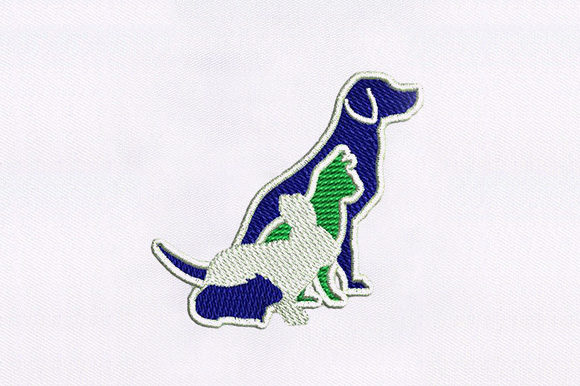
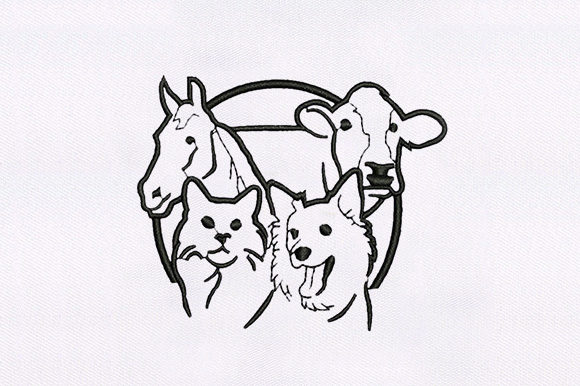
As a professional embroidery designer working with small businesses, I constantly evaluate digital embroidery files for their real-world application in branded merchandise. Today, I'm reviewing the Cute Animal Machine Design, a set featuring a horse, a cow, a cat, and a dog. My perspective isn't just about decoration; it's about how this design functions as a tool for brand building, customer engagement, and creating valuable small business merch.
First Impression: Friendly Versatility for Creative Brands
The initial appeal of Cute Animal Machine Design is its inherent warmth and versatility. The description suggests it's a "cool embroidery" for fabric needing "a ton of love," which translates to a playful, friendly, and approachable aesthetic. This isn't a rigid, corporate logo; it's a collection of classic animal motifs that feel inherently handmade and charming. For businesses like a boutique café, a creative studio, a pet brand, a bakery, or a florist, this visual personality aligns perfectly with a brand identity rooted in community, creativity, and care. It avoids being overly rustic or purely decorative, landing instead in a space that feels professional yet personal.
Performance in Real Business Applications
The true test of any machine embroidery design is how it performs when stitched onto actual business assets. Here’s how I see the Cute Animal Machine Design holding up across common applications.
Embroidered Patches & Product Labels
This design is a strong candidate for embroidered patches. Individual animals could serve as unique badges for different product lines or team roles. A cat patch on a handmade apron, a dog on a tote bag, or a cow on a product packaging accent can add a distinctive, tactile element that elevates a handmade product. The key here will be testing the design at a small size to ensure the outlines and details remain clear and don’t become a muddy blob of stitches. This is crucial for patches intended for custom apparel or as sellable merchandise.
Staff Uniforms & Branded Apparel
For apron embroidery or a subtle chest logo on staff shirts, one of these animals offers a recognizable yet non-intrusive mark. They can act as a sleeve detail on work shirts or the central motif on cap embroidery. Their friendly nature enhances customer interactions, making staff uniforms feel more approachable. However, on dark uniforms, careful thread color contrast planning is essential—a test stitch-out on the actual fabric is non-negotiable.
Tote Bags, Gifts, and Event Merch
As a tote bag design, these animals are ideal. They convey a sense of personality that customers want to carry. For Etsy sellers or craft businesses, embroidering this design on merchandise creates a cohesive brand identity across products. It’s perfect for customer gifts or event merch, adding value through quality commercial embroidery. The "multiple embroidery file formats" mentioned are a significant advantage, allowing compatibility with different machines for production.
Strategic Use & Critical Considerations
While versatile, certain applications require careful planning. High-stitch-density areas or tiny, intricate details within the design could pose challenges.
- Small Patch Sizes & Cap Fronts: Embroidering on a curved surface like a cap front or at a very small size for a product label demands a clean, simplified stitch path. Before production, I would test it in black and white first at the target size to check for clarity.
- Fabric Texture & Frequent Washing: Items like aprons or work shirts endure wear. Using proper stabilizer for the specific fabric texture is vital to maintain the design's integrity through washing.
- Visual Consistency & Mockups: For brand cohesion, create a printable mockup showing the design on your actual product (e.g., apron, tote) for client approval. Compare it beside your other design assets to ensure it complements your overall visual language.
Impact on Brand Identity and Customer Perception
Integrating the Cute Animal Machine Design into your business materials goes beyond aesthetics. A well-executed embroidered piece signals quality and attention to detail. It builds customer trust and professionalism, showing you invest in your brand's presentation. This design, by nature, fosters engagement—people connect with animals, making your merchandise more memorable and increasing product value. For a small business, this can be a powerful tool for recognition, turning a simple tote bag or apron into a recognizable brand marker.
Practical Designer Notes for Successful Implementation
Before running this digital embroidery file on a production order, here is my standard checklist.
- Test on Real Fabric: Never rely solely on the screen preview. Stitch out a sample on the exact fabric and with the exact hoop size you'll use for the finished product.
- Review Spacing and Density: Analyze the stitch spacing within the design. High density on lightweight fabrics can cause puckering. Adjust stabilizer accordingly.
- Confirm Commercial Licensing: The product description does not specify license terms. It is imperative to check those details before business use. Ensure your intended commercial embroidery use is permitted by the file's license.
- Client Approval Process: Present a physical stitch-out or a high-quality mockup to your client or for your own brand approval. This avoids surprises and ensures the design meets expectations for size and color.
In summary, the Cute Animal Machine Design presents a compelling opportunity for small businesses seeking to add a warm, handmade, and professional touch to their merchandise. Its strength lies in its versatile, friendly animal motifs that can adapt to patches, uniforms, and branded products. Success, however, hinges on a designer's diligence: thorough testing, mindful application, and a clear understanding of the technical and licensing parameters. When executed with care, this design can become a valuable asset in building a recognizable and trusted brand.