A Giraffe Applique Design for Everyday Projects
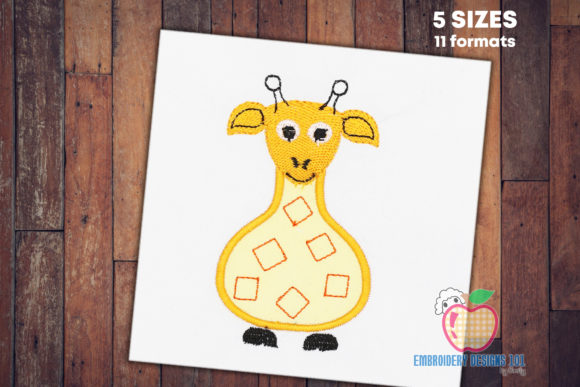
Let's talk about this giraffe. The Cartoon of Giraffe Applique isn't just a design; it's a mood. When I first opened the file, my immediate thought was “this is cheerful.” It’s not a realistic, detailed animal portrait—it’s a friendly, approachable character with a simple, bold shape. That yellow base color is a classic choice, offering warmth without being overly bright. This isn't a design you need to overthink. It belongs on items meant to bring a smile: a child's towel, a playful tote bag, a cozy baby blanket.
The Practical Sweet Spot: Size and Hoop Flexibility
Having five sizes from roughly 4 inches up to 8 inches is a significant advantage for a working designer. It means I can match the design to the project's scale without distorting the artwork. The listed hoop compatibilities—from a small 4x4 up to an 8x12—cover most of the common frames I use for garment and home decor projects. This flexibility is key. I can envision using the smaller version for a delicate corner on a tea towel or the largest for a statement piece on the back of a sweatshirt. The size range suggests the designer considered real-world application, which I always appreciate.
Where This Giraffe Finds Its Home
In my studio, a design like this gets assigned to specific project bins. Here’s where I see The Cartoon of Giraffe Applique performing beautifully:
- Nurturing the Nursery: It’s a natural fit for baby items. Embroidered onto a cotton onesie, a muslin blanket, or a soft bib, it creates a gentle, whimsical focal point. The cartoon style feels safe and sweet, perfect for personalized gifts.
- Elevating Everyday Goods: Think kitchen aprons, canvas tote bags for the library or market, or linen pillow covers in a sunroom. It adds personality to functional items without overwhelming them.
- Building a Boutique Brand: For small shop owners, this design could become a signature element on a line of children's apparel or playful home accessories. Its consistent, clear shape helps build visual recognition across different products.
- Quick-Turn Holiday Gifts: A last-minute birthday? A baby shower present? This giraffe is a reliable candidate. Stitched onto a cotton sweatshirt or a simple canvas bag, it transforms a basic item into a thoughtful, handmade gift with minimal design fuss.
Thinking Through the Stitch: Real-Life Execution
Before I commit to a client’s fabric, I mentally run through the embroidery process. For an applique design, the success hinges on clean edges and color placement. The cartoon style here, with its likely bold satin stitch borders and solid fill areas, should result in excellent stitching clarity on finished products. That visual clarity translates directly to customer trust—a crisp, well-defined embroidered patch looks professional and durable.
However, the cartoon approach also means paying attention to those smaller, enclosed details. The design's personality will live in features like the eyes and any interior accents. On textured fabrics like some sweater knits or on very dark backgrounds, those small elements require careful stabilizer choice and thread color contrast testing. I'd always run a test on a scrap of the actual project fabric first.
Caution Zones: Where to Proceed Carefully
My experience dictates a few scenarios where I'd approach with extra preparation:
- On Stretchy or Thin Ground: Embroidering this on a stretchy baseball cap or a thin, delicate cotton tee requires a heavyweight stabilizer, possibly multiple layers, to prevent puckering around the denser fill areas.
- At the Smaller Sizes: Using the 4-inch version on a densely woven fabric like denim might make the smallest interior details very tight. I'd check the stitch density in that size before proceeding.
- For High-Wear Items: If the finished product, like a child's play apron, will see frequent washing and abrasion, the integrity of the applique fabric attachment and the satin stitch edge becomes paramount. A good, tight satin stitch border is crucial.
The Value Beyond the Stitches
What does this design do for you as a maker or business owner? Firstly, it’s versatile. That versatility speeds up production when you can use the same digital embroidery file across multiple product types. Secondly, its friendly aesthetic boosts giftability. A customer looking for a personalized baby gift isn't seeking hyper-realism; they're seeking charm. This design delivers that.
For creative entrepreneurs selling finished products, whether on Etsy or at craft fairs, a well-embroidered item featuring this giraffe presents as polished and intentional. That handmade presentation, when executed cleanly, supports brand consistency and encourages buyer engagement. People are drawn to cheerful, well-made things.
Your Designer Notes Before You Hoop
My final thoughts are always a checklist. For The Cartoon of Giraffe Applique:
- Always, always test on a scrap first. This reveals how your specific thread choices (maybe a slightly deeper yellow or a contrasting outline) interact with the applique fabric.
- Check the stitch count and density in your chosen size. This informs stabilizer needs and potential stitch time.
- Consider the background. How does the yellow base color look on ivory, on navy, on charcoal? A quick black-and-white mockup can help judge contrast, but a real color preview is best.
- Confirm the licensing. Before selling any finished items or using the design for commercial embroidery projects, verify the terms included with the digital embroidery file. It’s a fundamental step for professional operation.
- Think in layers. Could this giraffe be combined with a name or date for a truly personalized gift? Its simple layout often allows for complementary additions.
In essence, this giraffe is a reliable, cheerful asset. It won't solve every project need, but for a wide range of applications where warmth and whimsy are the goals, it stands tall. It reminds me that in the world of machine embroidery design, sometimes the most effective files are the ones that feel immediately familiar and ready to work.