Reviewing the Caracal Cat Face Embroidery Design for Market Success
When you’re preparing products for a weekend craft fair booth, every design you choose is a strategic decision. It has to look good in person, feel premium, and be practical to produce in batches. The Caracal Cat Face machine embroidery design is one I’ve been evaluating for this exact purpose. Let’s walk through its real-world potential for your handmade business.
The Immediate Visual Appeal: Bold and Graphic
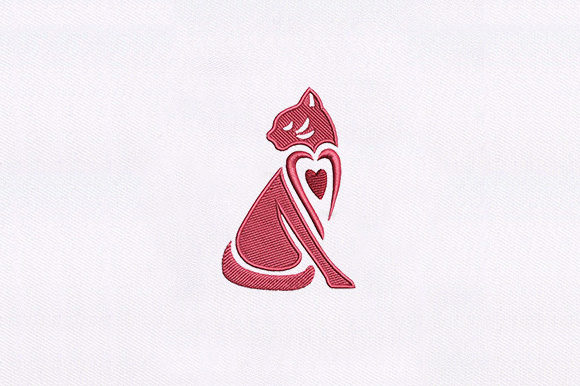
The first impression of this Caracal Cat Face is bold and graphic. It’s not a cute, soft kitten; it’s a striking wild cat with distinctive ears. This gives it an edge that can stand out on a crowded table. In a category like Cats embroidery, this design leans more toward modern, decorative, and premium. It feels like a statement piece—something a customer notices from a few feet away because of its strong silhouette and confident character.
Product Placement: Where This Design Shines
Imagine your booth setup: tote bags, aprons, tea towels, caps, and pillow covers. Not every design works on every product. Here’s where I believe the Caracal Cat Face excels.
For tote bags and market bags, this is a fantastic focal point. Its graphic nature makes it look intentional and artistic, elevating a simple bag. On aprons and kitchen towels, it becomes a conversational piece—less rustic farmhouse, more modern kitchen enthusiast. As an embroidered patch, it’s perfect; the clean lines and bold shape would translate beautifully, appealing to customers looking for something unique to apply themselves.
For caps, consider the curved surface. The design’s central, symmetrical face could hoop well, but the stitch density and any tiny details need careful testing. On pillow covers and small fabric pouches, it becomes a premium giftable item. The key is letting it be the hero. Don’t crowd it with other elements.
Practical Production for the Busy Maker
As an embroidery business owner, your time is precious. Batch production is key. The Caracal Cat Face appears to have a clear, understandable shape at a glance. This is good for repeatability. However, always test the design on scrap fabric first. You need to inspect for dense stitch areas that might pucker on lightweight fabrics and check how tiny details, like potential whiskers or fine ear lines, hold up at your intended size.
For craft fair products, you often need to resize. Does this design lose clarity at a smaller size for a pouch accent? Or does it gain impact as a large feature on a tote? You must check this yourself. The provided embroidery file formats—including PES, JEF, DST, and others—mean compatibility with most machines, but hoop size is not specified. You must determine the optimal hoop size from the file itself before planning your production run.
Crafting a Cohesive Booth Display
A single strong design like this can anchor part of your display. Imagine a section of your booth dedicated to wildlife or bold animal graphics. A tote bag with the Caracal Cat Face could be your sample centerpiece, drawing people in. Its visual appeal directly impacts perceived product value. On a well-made tea towel with quality stitching, it feels handmade and special, not mass-produced.
For your Etsy listings and online shop, how it photographs is crucial. Graphic designs like this one often photograph very well against clean backgrounds, showing clear contrast and detail. Creating at least one real, physical mockup is non-negotiable. Photograph that, not just a digital mockup. It proves the handmade quality and gives customers confidence.
Critical Considerations Before You Stitch
Your success depends on avoiding production pitfalls. For the Caracal Cat Face, pay close attention to these points.
- Fabric and Thread Contrast: This design likely relies on contrast. Test it on dark fabrics with light threads and vice versa. On textured towels or thick canvas, the detail might soften; you may need to adjust stabilizer use.
- Stitch Density: Without a specified stitch count, you must run a test stitch. High density on curved cap surfaces can be problematic. On dense fabrics like denim, it might be perfect.
- Commercial Licensing: The product description lists file formats but does not explicitly state commercial use. You must confirm the license terms before selling finished products. This is essential for digital embroidery file assets.
- Batch Production Feel: After testing, ask yourself: Is this design enjoyable and efficient to produce twenty times in a row? Consistent results across multiple items are what build your brand consistency.
Turning a Digital File into a Selling Product
The journey from a digital embroidery file to a craft fair product selling in your booth involves these final steps. Use the Caracal Cat Face to create a range. Maybe a large tote as your premium item and a smaller patch or pouch as a lower-price-point impulse buy. This covers different buyer engagements.
When stitching, use the right stabilizer for your base fabric—this preserves the design’s sharpness. Compare how it looks on different fabric colors; perhaps it pops on natural linen but feels elegant on charcoal gray. These choices define your small shop product line.
Finally, display it with confidence. At the fair, a customer noticing this distinctive cat face might be drawn to your entire booth. It tells a story of quality and thoughtful design selection. That’s the ultimate goal: a design that not only stitches well but sells well, becoming a memorable part of your handmade product collection and a strong return on your creative investment.