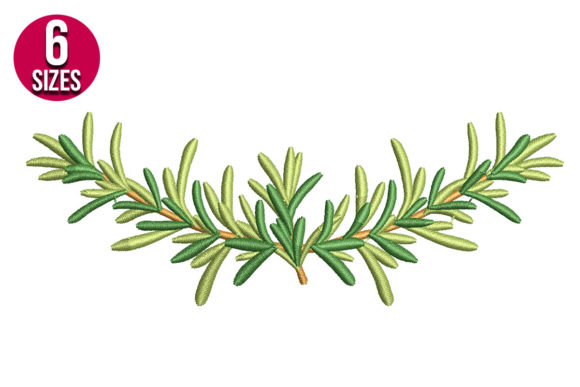
Rosemary Wreath: A Kitchen-Centric Embroidery Design
When I'm reviewing an embroidery design for my next craft fair booth or product line, my first step is to visualize it on my table. I imagine my display filled with embroidered tote bags, aprons, tea towels, and pillow covers. The Rosemary Wreath design, from its title alone, immediately sets a clear and desirable mood. It feels fresh, decorative, and leans into a rustic, farmhouse elegance that has proven to be a consistent seller in the handmade market. It’s not overly cute or festive; it has a timeless, soft quality that suggests premium home decor.
Where Rosemary Wreath Excels on Craft Fair Products
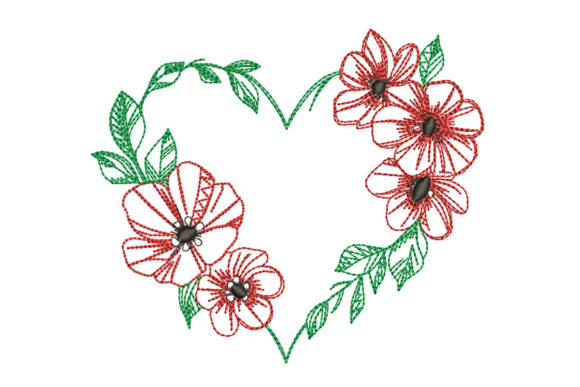
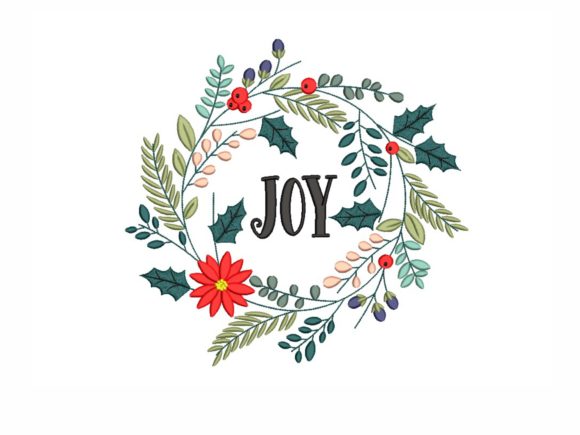
This floral wreath design isn't just a generic motif; it's a kitchen-centric statement. That focus is a huge advantage when planning your product lineup. Customers at fairs often look for items that fit a specific room or purpose.
Aprons and Kitchen Towels: This is where Rosemary Wreath will truly shine. Placed on a linen apron or a high-quality tea towel, the design instantly elevates a simple functional item into a giftable handmade product. The wreath format naturally frames itself, creating a beautiful focal point on the chest of an apron or the corner of a towel.
Tote Bags and Market Bags: For a more casual, everyday product, applying the Rosemary Wreath to a canvas tote bag adds a touch of rustic charm. It transforms a plain bag into something special, appealing to customers who want their everyday items to reflect their style.
Pillow Covers and Home Decor: While the description mentions home decor, I see this design working beautifully on small accent pillow covers or simple fabric pouches. It’s decorative without being overwhelming, perfect for adding a subtle floral touch to a living space.
Practical Production Considerations for Batch Selling
As an embroidery business owner, the practicality of a design is as important as its beauty. You need designs that are efficient to produce, especially when preparing for a weekend fair where you might need multiple copies of popular items.
Scale and Clarity Across Different Products
The wreath structure of Rosemary Wreath is inherently balanced. This means it can work as a small accent on a napkin or a larger, more detailed centerpiece on a tablecloth. However, you must be cautious. If the design file contains very tiny details or dense stitch areas in the leaves, scaling it down significantly for a cap or a small patch might cause a loss of clarity and create production headaches. Always test the design on scrap fabric first, especially on textured towels or curved cap surfaces, to ensure the stitches lay cleanly.
Photography and Online Sales Appeal
For Etsy sellers and digital sellers relying on online listings, how a design photographs is critical. A wreath like Rosemary Wreath, with good contrast and clear shapes, should photograph well. It’s easy to understand at a glance in a listing thumbnail, which is vital for customer attention. I advise creating at least one real mockup on a final product, like an apron, to photograph. Compare how it looks on different fabric colors—a light linen versus a dark cotton—and check thread contrast to ensure it pops in your product photos.
Batch Production and Consistency
For boutique makers aiming for brand consistency, a design like this can be a versatile anchor. You can use Rosemary Wreath across a cohesive product line—aprons, towels, pouches—creating a recognizable look for your booth. Its repeatable nature makes it suitable for batch production. Pay close attention to stitch density and hoop size requirements. A design with overly dense stitching can slow down production and strain lighter fabrics. Using the correct stabilizer is paramount to maintaining quality across every item.
Maximizing Booth Impact and Customer Engagement
Your craft fair booth display is a silent salesperson. The Rosemary Wreath design, when applied thoughtfully, can significantly boost your display strength.
Think about creating a small vignette. Display an embroidered apron alongside a set of matching tea towels and a fabric pouch. This shows customers the versatility of the machine embroidery design and allows them to imagine it in their home. It encourages them to engage, asking questions like, "Can this go on a tote bag too?"
The design inherently adds perceived value. A plain apron looks utilitarian; an apron with a beautifully embroidered Rosemary Wreath looks like a handmade, premium product. This directly supports a higher price point and improves buyer engagement.
Essential Designer Notes Before You Start Production
Before you run this embroidery file on your first commercial product, a few careful steps will save you time, materials, and ensure customer satisfaction.
- Review Spacing and Layout: Ensure the design elements are spaced well to avoid bunching on thicker fabrics like towel terry cloth.
- Inspect for Small Lettering: If the design includes any text within the wreath, test it meticulously. Small embroidered lettering can be difficult to read and may not stitch cleanly on all surfaces.
- Confirm Commercial Licensing: As a creative entrepreneur selling finished products, you must verify that your digital embroidery file license permits commercial use. Never assume.
- Create Physical and Digital Assets: Make a real sample for your booth and create printable mockups for your online listings. Showing the design in context sells it faster.
Ultimately, the Rosemary Wreath embroidery design presents a strong opportunity for craft fair sellers and handmade shop owners. It taps into a popular aesthetic, has clear application on best-selling products like aprons and towels, and, when produced with care, can become a staple in your lineup that customers recognize and return for. Its success hinges on your practical execution—testing, choosing the right fabrics, and presenting it as part of a beautiful, cohesive handmade story at your booth.