Lovely Deer: A Designer’s Review for Real Embroidery Projects
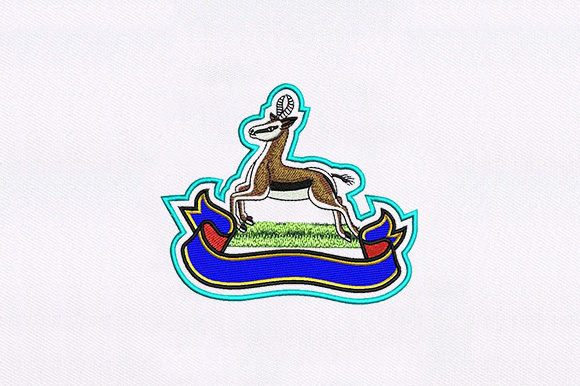
When I download a new embroidery file, my first thought is always, “Will this look good in a real project?” Not on the screen, but stitched out, on fabric, under thread and needle. The Lovely Deer design immediately presents itself as a sweet, approachable character. It’s that cute, colorful vibe that feels instantly welcoming, perfect for a wide range of handmade products. The mood is cheerful and friendly, not overly intricate or stern. As a Woodland Animals theme, it hits that nostalgic, nature-loving note without being too rustic or masculine. This visual personality suggests it’s a design meant to delight, not just decorate.
The First Impression: Where Does This Design Belong?
Looking at the layout and detail level, I see a design built for clarity. The shapes are well-defined, which is crucial for stitch translation. This isn’t an abstract sketch; it’s a character-ready for satin stitch outlines and fill stitch areas. My mind jumps straight to application. It feels naturally suited for a custom tote bag for a nature-loving friend, a bright sweatshirt for a child, or as a charming accent on a baby blanket. For an Etsy seller or small shop owner, this could be a staple for personalized gifts—think a birthday shirt with a name above the deer, or a holiday gift like an embroidered pillow cover for a cozy cabin vibe.
Stitching Lovely Deer Into Real Life
Let’s walk through a real scenario. Imagine I’m preparing a batch of embroidered tea towels for a boutique client. Lovely Deer would be a contender. Its colorful, adventurous spirit would translate into a cheerful kitchen accent. On a sturdy cotton towel, the stitches would pop. The design likely uses a mix of techniques—perhaps some detailed fill stitches for the body and cleaner running stitches for finer lines. The key is that it should maintain its clarity when stitched small enough for a towel corner or large enough for a tote bag’s center.
For apparel decorators, jackets and t-shirts mentioned in the description are obvious fits. On a denim jacket, this design would become a statement piece. On a cotton t-shirt, it needs careful stabilizer choice, especially if the stitch density is high, to prevent puckering. For baby clothes or caps, the scale becomes critical. You’d want to hoop it small enough to be adorable but not so small that tiny details like facial features get lost in dense stitch clusters.
Where To Use Lovely Deer With Care
Every design has its ideal applications and its trickier ones. This cute deer, with its likely colorful elements, demands attention on dark fabric backgrounds. Thread color contrast is paramount. That bright palette might need adjustment if stitching onto a black hat, for instance. On highly textured fabrics like some sweatshirt fleece or a woven blanket, the finer details might soften. Stretchy fabric is another consideration; a good stabilizer is non-negotiable to keep the design sharp.
Curved surfaces like caps are a classic test. The design’s shape seems fairly rounded, which is good, but any extremely detailed corners could be challenging on a curved hoop. If the design includes very tiny decorative accents, they might not survive the translation to a small hoop size. For products destined for frequent washing—like kids’ apparel or kitchen towels—a robust stitch density and secure stitching are needed for longevity. This is where testing on scrap fabric first is an absolute must for any professional.
How This Embroidery File Affects Your Project’s Appeal
Beyond the technical, how does Lovely Deer impact the finished product’s value? For a crafter or creative entrepreneur, this design adds a specific charm. It feels giftable and recognizable. Stitched onto a simple bag, it elevates it from generic to handmade-special. For a small business merchandise line, consistency is key. If your brand is about playful, nature-inspired goods, this design could be a versatile asset across product lines—from patches to aprons to pillow covers.
Customer trust and engagement often come from that handmade presentation. A cleanly embroidered Lovely Deer signals care and skill. In a digital product preview or printable mockup for your online shop, it shows potential buyers exactly what they’re getting—a friendly, professional-looking finish. For commercial embroidery projects, like a series of tote bags for a local shop, its clear, positive imagery creates a strong, cohesive branded look.
A Designer’s Practical Notes Before You Hoop
Before committing this design to a client’s order or your own craft fair products, do your homework. Test it. Stitch it out on a comparable scrap fabric. Check the thread color contrast against both light and dark backgrounds—sometimes a design that looks vibrant on screen needs a slight color swap in real thread. Review the stitch density in the actual embroidery file; high density can be beautiful but tough on thin fabrics.
Confirm the hoop size you’ll need. The description says it comes with multiple files, which often includes different sizes. Choose the one that fits your project without forcing excessive scaling. Inspect the small details in the test stitch. Are the deer’s eyes clear? Do the colorful elements blend well? Always use the proper stabilizer for your base material; it’s the unsung hero of embroidery clarity.
Finally, a crucial step for anyone selling finished items: check the licensing. Is this embroidery design cleared for commercial use, for selling the physical products you make with it? Don’t assume. That confirmation is part of your professionalism and protects your craft business. Lovely Deer has the potential to be a wonderful, versatile asset in your embroidery project toolkit, from personal holiday gifts to small shop merchandise. Its friendly, adventurous character waits to be stitched into something real.