An Old Fashion Coffee Grinder Embroidery Design Review
From the perspective of an embroidery designer preparing for a weekend craft fair, every design file gets a hard, practical look. We’re not just thinking about aesthetics; we’re judging whether a design can translate into a product that sells, looks premium on the table, and is efficient to produce. Today, I’m reviewing the Old Fashion Coffee Grinder Redwork embroidery file. This is a classic evaluation, focused on how it performs as a craft fair product for kitchen-themed handmade items.
First Impression: Rustic Charm with Farmhouse Appeal
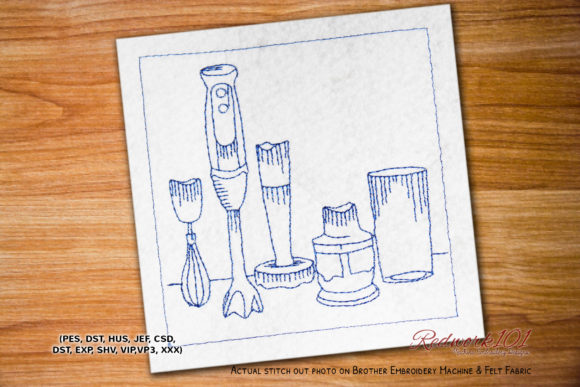
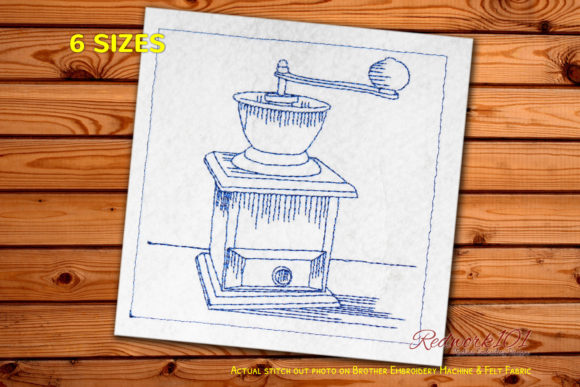
The immediate feeling from Old Fashion Coffee Grinder Redwork is pure, nostalgic charm. The term “redwork” suggests a single, bold color—typically a rich red—which lends itself to a rustic, farmhouse aesthetic. It’s decorative and soft, not overly bold or minimalist. This design feels like a premium, story-driven piece. It evokes a sense of heritage and handmade quality, which is a powerful selling point at markets where customers are looking for authentic, cozy kitchen decor.
Where This Design Stands Out on the Craft Fair Table
Imagine your booth display: aprons hanging, tote bags stacked, tea towels folded neatly, and small pouches arranged. Old Fashion Coffee Grinder Redwork would find its strongest home on kitchen textiles. Its vintage subject matter makes it a natural fit for tea towel embroidery and apron embroidery. These are staple sellers at any market. On a crisp, white or natural linen towel, the single-color design would look exceptionally clean and intentional, elevating a simple towel into a giftable handmade product.
It would also perform beautifully on tote bag designs and market bags, offering a larger canvas for the detail. As an embroidered patch, it could be applied to caps or pouches, but careful consideration of size is needed here. For pillow covers in a farmhouse-style booth, this design could be a focal point, especially paired with complementary fabrics.
Practical Production Notes for Batch Creation
For an Etsy seller or small shop owner producing items in batches, the simplicity of a redwork design is a major advantage. Fewer thread colors means faster production and less thread management. However, success depends on execution. The description notes “The Box Stitch shown in the picture is optional.” This is a crucial point. That outer box could frame the grinder, adding a decorative border, but skipping it creates a cleaner, more modern look. You must decide based on your brand style. The description also mentions the box color often differs unless part of the design itself. This implies you should check your specific embroidery file to confirm what elements are mandatory.
Always test the design on scrap fabric first. For a design like this, check the stitch density in areas like the grinder’s details. Dense areas on textured towels or thick canvas for tote bags might require a stronger stabilizer. Inspect any tiny details or small lettering (if present) to ensure they don’t lose clarity, especially if you plan to scale the design down for a cap or small pouch. On dark fabric, a single red thread may not have enough contrast; consider testing a brighter or deeper red.
How Customers Notice and Engage with the Product
At a craft fair, customers notice products that tell a story. Old Fashion Coffee Grinder Redwork isn’t just a generic shape; it’s a specific, relatable object. It attracts coffee lovers, vintage enthusiasts, and those decorating a rustic kitchen. It creates an instant connection. This engagement boosts perceived product value. A well-embroidered towel with this design feels more “handmade” and thoughtful than a printed one. For your booth display strength, having a cohesive line of kitchen items featuring this design—towels, aprons, maybe a pouch—builds a mini-collection that draws buyers in.
Photographing for Online Sales and Printable Mockups
For your Etsy listings or digital shop, this design should photograph beautifully. The single-color, high-contrast design pops against fabric, making for clean, attractive printable mockups and real product photos. Its decorative nature means it works as both a small accent on a corner of a towel or a large focal point on a tote. Shoot your photos in a kitchen or with coffee-related props to reinforce the theme. This consistency across your design assets strengthens your brand.
Critical Designer Checks Before Selling Finished Products
Before you commit to producing fifty tea towels with this machine embroidery design, complete these real-world checks. First, create at least one real mockup on the final fabric you intend to use. Compare how it looks on white linen versus a natural cotton canvas. Second, confirm the hoop size required. The design’s complexity will dictate the minimum hoop; a smaller hoop for a tiny version might compromise detail. Third, review spacing and alignment if you’re combining it with text or other elements.
Most importantly, confirm commercial licensing before selling any finished product. The product description provided does not specify license terms. You must verify with the designer or distributor that your intended use—selling handmade items at craft fairs or online—is covered under the license for this digital embroidery file. Never assume.
Final Judgment for the Craft Fair Entrepreneur
Old Fashion Coffee Grinder Redwork is a strong contender for your kitchen product line. Its rustic, farmhouse appeal aligns perfectly with current handmade market trends. It is practical to produce due to its likely limited color palette, but its success hinges on your attention to detail: fabric choice, stitch density, and size scaling. It will stand out on aprons and towels, creating a cohesive, giftable collection for your booth. For the embroidery business owner looking for a reliable, charming design that speaks directly to a niche audience, this design, executed well, can become a staple in your craft fair product offerings. Start with a test run, nail down the production specifics, and you’ll have a product that not only looks good but sells with a story.