A Practical Review of the Native War Bonnet Embroidery Design
First Impressions: A Bold Statement of Heritage
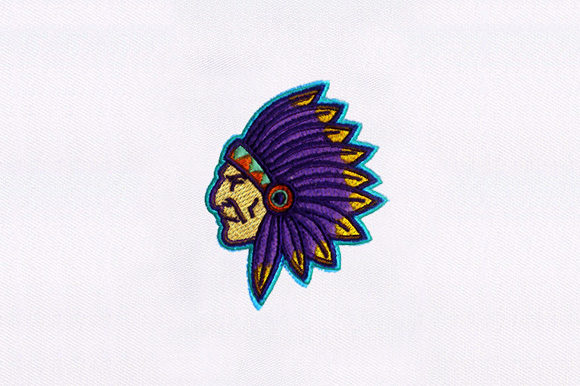
When you open the Native War Bonnet embroidery design, the immediate impression is one of dignified strength and intricate detail. This isn’t a casual, whimsical motif; it carries a visual weight and a sense of heritage. The layout is central and commanding, with the feathers arranged in a balanced, radiating pattern. The level of detail in the feather shapes and the central band suggests this is a design meant to be seen and appreciated—it has a personality that leans toward authenticity and respect for its theme. For an experienced designer, this signals that it belongs on projects where the visual statement is the primary focus, not merely a decorative accent.
Where This Design Thrives in Real Projects
In practical application, this design finds its natural home on items that serve as a canvas for its bold presence. Imagine a custom embroidered tote bag for a client who values cultural art, or a heavyweight sweatshirt destined for a boutique focusing on artisanal themes. It would be a stunning focal point on a pillow cover in a thoughtfully decorated room, or as a standalone embroidered patch applied to a denim jacket. Its scale and detail level make it perfect for personalized gifts that aim for a lasting impression, like a framed textile piece or a special holiday gift. For Etsy sellers and small shop owners, this design could anchor a line of heritage-inspired merchandise, from apron fronts to premium tea towels, instantly elevating the perceived value of the handmade product.
Scenarios Where You Might Pause Before Hooping
Its visual density, however, requires some practical consideration. On very small hoop sizes, the intricate details might lose clarity if the design is scaled down too much. Textured fabrics like loosely woven linens or stretchy fabrics like jersey could challenge the crispness of the satin stitch and fill stitch areas without absolutely perfect stabilizer choice. Applying it to a curved surface like a cap brim would need careful positioning to avoid distortion. While it would look striking on dark fabric with bright thread, you must ensure the thread color contrast is high enough for every fine line to pop. For items that demand frequent washing, such as baby clothes or kitchen towels, the relatively high stitch density implied by the detail means using robust threads and testing durability.
The Impact on Your Product and Your Customer
Using the Native War Bonnet design correctly directly influences visual appeal and customer trust. A clean, well-stitched rendition speaks to professionalism and care, reassuring buyers of your craft's quality. For a craft business, it can enhance brand consistency if you specialize in thematic, art-driven goods. Its distinctive nature boosts recognition and buyer engagement—people notice and remember it. As a personalized gift, it feels considered and unique, increasing its giftability. From a commercial standpoint, a flawless execution on a finished product justifies a higher price point and builds reputation.
A Designer’s On-The-Bench Notes
Before committing this design to a client’s project or your small shop product, a few steps are non-negotiable. Always test the design on scrap fabric first, using the same material and stabilizer you plan for the final item. This reveals how the stitch density behaves and whether any detailed corners or tiny elements need adjustment. Check thread color contrast by previewing it in both light and dark fabric backgrounds in your software; sometimes a slight color shift makes all the difference. Since specific hoop size and machine compatibility details aren’t provided here, you must confirm these in the actual embroidery file you purchase. The design comes in many formats including ART, DST, PES, and others, so ensure you’re using the correct one for your machine.
For digital product sellers creating printable mockups or selling the file itself, showing it stitched out in both color and black-and-white scenarios helps customers visualize its use. Crucially, confirm licensing before selling finished items or digital products. Understand if the embroidery file is cleared for commercial embroidery projects or if there are limitations. This protects your business and respects the designer’s work.
The Final Stitch: A Design With Purpose
The Native War Bonnet machine embroidery design is a powerful design asset. It’s not for every project, but for the right project—one that needs a centerpiece with gravity and detail—it performs exceptionally. Its success hinges on your practical preparation: matching it to an appropriate base, using impeccable technique, and understanding its licensing scope. When paired with a thoughtful embroidery project, it results in a finished product that feels both crafted and significant, a combination that resonates deeply with customers looking for more than just decoration. That’s the kind of practical value that makes a design worth hooping up.